How to remove mold from drywall after water damage
Mold on drywall after water damage needs fast action. Learn how to remove it safely, when to replace drywall, and what it costs in Jonesboro, GA in 2026.
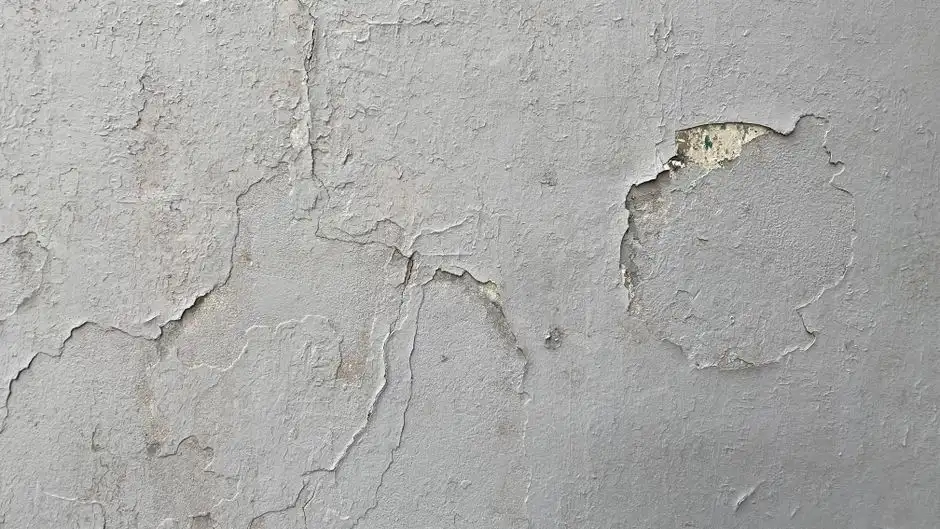
To remove mold from drywall after water damage, you must stop the moisture source, contain the affected area, and either clean the surface with a fungicide or cut out and replace the drywall if mold has penetrated the paper facing or gypsum core. In Jonesboro, Georgia, where humidity averages 70% or higher from May through September, mold can colonize wet drywall in as little as 24 to 48 hours.
This guide walks you through the exact steps, the tools you need, when to replace instead of clean, and what professional mold remediation Jonesboro GA costs in 2026.
Why Mold Grows on Drywall After Water Damage
Drywall is essentially a gypsum core wrapped in paper, and that paper is a food source for mold. When water damage in Jonesboro leaves drywall wet for more than a day or two, mold spores that are already present in the air land on the damp paper and start growing.
Three conditions drive mold growth on drywall:
- Moisture - anything above 60% relative humidity or a moisture content above 16% in the drywall itself.
- Warmth - mold grows fastest between 77°F and 86°F, which describes most of the year in Clayton County.
- Organic material - the paper facing on standard drywall.
We see this constantly after burst pipes, roof leaks, and storm-driven rain. If you've had any of those events, our water extraction Jonesboro GA team can dry the structure before mold gets a foothold.
How Do I Remove Mold from Drywall After Water Damage in Jonesboro GA?
Removing mold from drywall in Jonesboro GA requires personal protective equipment, plastic containment, and a fungicide or diluted bleach solution - but only if the mold is surface-level. If mold has soaked into the paper or core, you must cut out and replace the drywall.
Here's the step-by-step process our technicians follow:
- Fix the water source first. If a pipe is still leaking or a roof is still letting water in, any cleaning you do is temporary. Stop the water before you touch the mold.
- Set up containment. Tape 6-mil plastic sheeting over doorways and HVAC vents in the work area. This keeps spores from spreading to the rest of your Jonesboro home.
- Put on PPE. N95 or P100 respirator, goggles, gloves, and disposable coveralls. Do not skip this.
- Remove porous items. Carpet, insulation, and cardboard that have been wet for more than 48 hours usually can't be saved.
- Scrub the surface. Use a stiff brush with a solution of 1 cup of bleach per gallon of water, or a commercial fungicide. Scrub, don't just spray.
- Dry the area completely. Run dehumidifiers and fans for at least 48 to 72 hours. Mold will return if moisture stays above 16%.
- Dispose of debris properly. Bag moldy drywall in plastic and take it out of the house immediately.
If the affected area is larger than 10 square feet, or if you can smell that musty odor from another room, it's time to bring in a professional. Our structural drying Jonesboro GA service uses commercial-grade dehumidifiers and air movers that pull moisture out of wall cavities where household fans can't reach.
Can Moldy Drywall Be Cleaned or Does It Need Replacement?
Moldy drywall can be cleaned only if the mold is on the surface and has not penetrated the paper or gypsum core. If mold has spread into the paper facing or you can see dark staining behind the surface, the drywall must be cut out and replaced.
Here's a simple rule: if the mold wipes off with a cloth and leaves no stain, you can clean it. If it's fuzzy, black, or has stained the paper, replace it.
We replace drywall in these situations:
- Mold covers more than 10 square feet
- The drywall has been wet for more than 48 hours
- You can see mold growth on the back side of the drywall
- The drywall is crumbly or soft to the touch
- There's a musty smell that won't go away after cleaning
For homeowners in the Water Damage Restoration in Jonesboro Historic District, we often find older plaster-and-lath walls behind the drywall, which changes the removal approach. Plaster can sometimes be saved when drywall can't.
Is Black Mold on Drywall Dangerous?
Black mold on drywall can be dangerous, but not all black-colored mold is toxic. The type most people worry about is Stachybotrys chartarum, which produces mycotoxins. It requires constant moisture and typically appears as a dark, slimy growth.
Health effects from mold exposure include:
- Respiratory irritation, coughing, and wheezing
- Nasal congestion and sneezing
- Eye, nose, and throat irritation
- Headaches and fatigue
- Worsened asthma symptoms
People with allergies, asthma, compromised immune systems, and young children are most at risk. If you're in one of those groups, do not attempt to remove mold yourself - leave the house and call a professional.
The CDC recommends removing mold and fixing the moisture problem as the primary way to prevent health issues. If you can see or smell mold, it's already a problem.
When to Call a Professional
Call a professional when the mold covers more than 10 square feet, when you can smell it but can't see it, or when the water damage came from a sewage backup or flood. Those situations require specialized equipment and, in the case of sewage, disinfection that goes beyond what a homeowner can do safely.
Our team at Jonesboro Restoration Squad handles mold remediation, water extraction, and structural drying for homes and businesses across Jonesboro. We find the moisture source, contain the mold, remove or clean affected materials, and dry the structure so it doesn't come back.
If your mold problem started with a roof leak, we also handle roof leak water damage repair Jonesboro GA to stop the water at the source.
How Much Does Drywall Mold Removal Cost in Jonesboro GA?
Drywall mold removal in Jonesboro GA costs between $500 and $3,500 for most residential jobs in 2026, depending on the square footage affected, whether drywall needs replacement, and whether the mold is in a wall cavity or on an open surface.
Here's a breakdown of typical 2026 pricing in this area:
- Surface cleaning only (under 10 sq ft): $150-$400
- Small remediation (10-30 sq ft): $500-$1,200
- Medium remediation (30-100 sq ft): $1,200-$2,500
- Large remediation (100+ sq ft): $2,500-$6,000+
- Drywall replacement: $2-$4 per square foot installed
- Mold testing/air quality: $300-$600
Most homeowners in the 30236 ZIP code pay around $1,500 to $2,200 for a typical bathroom or laundry room mold job that includes removal, treatment, and new drywall.
Insurance may cover mold remediation if the mold resulted from a sudden, accidental water event like a burst pipe. It typically does not cover mold from long-term neglect or slow leaks. We can document the damage and work directly with your adjuster.
Common Mistakes to Avoid
The biggest mistake homeowners make is cleaning the mold without fixing the moisture source. Mold will return within weeks if the underlying leak or humidity problem isn't resolved.
Other mistakes we see:
- Using a fan without a dehumidifier. Fans circulate air but don't remove moisture. You need both.
- Painting over mold. Paint traps moisture and the mold grows behind it.
- Skipping containment. Without plastic barriers, you spread spores to every room in the house.
- Assuming bleach kills all mold. Bleach works on non-porous surfaces but doesn't penetrate drywall paper or wood.
- Not replacing wet insulation. Insulation holds moisture and feeds mold growth inside the wall cavity.
If your mold problem came from a flood or storm, our flood damage restoration Jonesboro GA team can handle the water removal, drying, and mold remediation in one project.
Frequently Asked Questions
How do I remove mold from drywall after water damage in Jonesboro GA?
Stop the water source, contain the area with plastic sheeting, wear an N95 respirator, and scrub the surface with a bleach solution or fungicide. Dry the area completely for 48-72 hours. If mold covers more than 10 square feet or has penetrated the drywall, cut it out and replace it.
Can moldy drywall be cleaned or does it need replacement in Jonesboro Georgia?
Surface mold can be cleaned. Mold that has soaked into the paper facing or gypsum core must be replaced. If the drywall has been wet for more than 48 hours or shows dark staining, replacement is the safer option.
Is black mold on drywall dangerous in Jonesboro GA?
Black mold (Stachybotrys chartarum) produces mycotoxins that can cause respiratory irritation, headaches, and worsened asthma. Not all black-colored mold is toxic, but any mold growth indoors should be removed. If you're sensitive to mold, leave the area and call a professional.
How much does drywall mold removal cost in Jonesboro GA?
Most residential jobs cost between $500 and $3,500 in 2026. Surface cleaning runs $150-$400. Larger remediation with drywall replacement can reach $6,000. Insurance may cover mold caused by a sudden water event like a burst pipe.
Who removes mold from drywall in Jonesboro GA?
Jonesboro Restoration Squad removes mold from drywall for homes and businesses across Jonesboro. We handle water extraction, structural drying, mold remediation, and drywall replacement. Call 012300000 to schedule an inspection.
Get Help with Water Damage Restoration in Jonesboro
Mold on drywall after water damage won't fix itself, and the longer you wait, the more it spreads. Our team handles Water Damage Restoration Jonesboro GA from the first water extraction through final mold clearance.
Call Jonesboro Restoration Squad at 012300000. We serve homeowners in Water Damage Restoration in Adamson and throughout Jonesboro.