Signs of Hidden Water Damage Behind Walls After a Storm
Storm water seeps behind walls and stays hidden for weeks. Here are the signs Jonesboro homeowners miss, what detection costs in 2026, and when to call a pro.
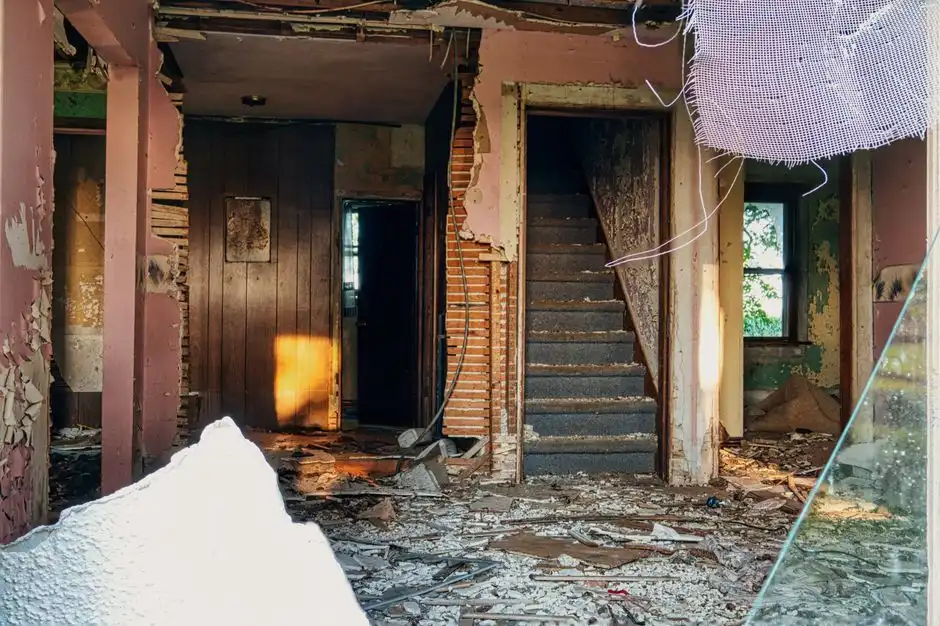
The most common signs of hidden water damage behind walls after a storm are a musty smell that will not clear, paint that bubbles or peels in one patch, soft or spongy drywall, a baseboard that stains brown, and a faint sound of dripping when the house is quiet. If you notice any of those in a Jonesboro home within two weeks of heavy rain, assume water is trapped in the wall cavity and get it checked before mold takes hold.
Hidden water damage behind walls Jonesboro homeowners deal with almost always starts with a storm - wind-driven rain, a lifted shingle, a clogged gutter that dumps water against the foundation. The damage is rarely where you see it. Below we cover the specific signs, how to check each one yourself, what detection and repair cost in 2026, and when a wall has moved past the point where a fan and a shop vac will fix it.
Why Storm Water Hides Behind Walls in Jonesboro Homes
Storm water hides behind walls in Jonesboro because modern wall assemblies are designed to shed water on the outside, not to dry on the inside. Once moisture gets past the siding, sheathing, or roof deck, it sits against the back of the drywall with nowhere to evaporate.
Hidden water damage behind walls is a moisture intrusion problem in which water enters the wall cavity through a roof leak, window flashing, or foundation seam and stays trapped between the drywall and exterior sheathing. It is not visible from inside the room until the drywall has absorbed enough water to stain, swell, or grow mold.
Jonesboro sits in Clayton County, where summer storms regularly drop an inch of rain in under an hour. That kind of volume finds every gap. The housing stock makes it worse. Older homes near the Historic District often have original wood siding and 1950s-era flashing that has long since failed. Newer subdivisions like Walden Park have tighter envelopes, but a single missing shingle or a backed-up gutter can push water behind the brick veneer where it stays for weeks.
We see the same pattern every spring and fall: a strong line of storms rolls through, the homeowner checks the ceiling, sees nothing, and moves on. Three weeks later there is a musty smell in the hallway. By then the wall cavity has been wet long enough for mold to colonize.
What Are the Signs of Hidden Water Damage Behind Walls in Jonesboro GA?
The signs of hidden water damage behind walls in Jonesboro GA fall into four groups: what you smell, what you see, what you feel, and what you hear. You do not need all four. Two is enough to justify a professional moisture inspection.
Smell
- Musty, earthy odor in one room or one hallway that does not go away after cleaning.
- A smell that gets stronger when the heat or AC runs, because the HVAC is pulling air through the wet cavity.
- A damp, wet-cardboard smell near a closet, bathroom, or laundry wall.
What You See
- Paint that bubbles, blisters, or peels in a single patch - not the whole wall.
- Brown or yellow water stains on drywall, especially along the top of the wall near the ceiling line.
- Baseboards that have darkened, warped, or pulled away from the wall.
- White or gray powdery residue on the drywall or trim - that is efflorescence, a mineral deposit left behind as water evaporates.
- Dark speckling in the corners where the wall meets the ceiling or floor.
What You Feel
- Drywall that feels soft, spongy, or crumbly when you press it with two fingers.
- A wall that is noticeably cooler than the wall next to it.
- Flooring that feels slightly soft or bouncy near the wall base.
What You Hear
- A faint dripping sound inside the wall when the house is quiet at night.
- Running water when no fixture is on - that points to a supply line, not storm water, but the repair is the same.
- Popping or crackling sounds from the wall as the drywall expands and contracts with moisture.
If you are seeing any of these after a storm, the fastest path is a professional moisture inspection. Our team handles storm damage restoration Jonesboro GA calls every week where the visible damage was minor but the wall cavity was saturated.
How Do I Know If I Have Water Damage Behind My Walls in Jonesboro Georgia?
You can confirm water damage behind your walls in Jonesboro Georgia with three tools: your nose, a $20 moisture meter from a hardware store, and a visual check of the exterior after the next rain.
Start with the moisture meter. Press the pins against the drywall in the suspect area and again on a wall you know is dry. A reading above 16% on drywall means the material is holding moisture. Above 20% and you are in mold territory. Take readings every two feet along the wall - water travels sideways inside the cavity, so the wet spot is often not directly below the stain.
Next, walk the exterior. Look for lifted or missing shingles, cracked flashing around chimneys and vents, gutters that overflow, and downspouts that dump water within three feet of the foundation. Any of those is a direct path for storm water into the wall.
Finally, check the attic and crawlspace. Water that enters at the roof often shows up as a dark ring on the roof decking or a stain on the insulation. In the crawlspace, look for wet or sagging insulation under the bathroom and kitchen walls.
If the meter reads high and you cannot find the source, stop poking at it. Every hole you cut in the drywall is another repair. A thermal imaging camera sees the temperature difference between wet and dry drywall and pinpoints the leak without demolition. We use thermal imaging on every water extraction Jonesboro GA job because it saves the homeowner hundreds in unnecessary drywall replacement.
Can Hidden Water Damage Cause Mold in Jonesboro GA?
Yes. Hidden water damage causes mold in Jonesboro GA in as little as 24 to 48 hours when the wall cavity stays above 60% relative humidity. In our climate, that window is almost always open after a storm.
Mold needs three things: moisture, organic material, and a temperature between 40°F and 100°F. Drywall paper, wood studs, and insulation facing all feed it. Jonesboro summers sit in the 80s and 90s, which is the sweet spot for Stachybotrys (black mold) and Aspergillus.
By the time you smell the musty odor, mold has usually been growing for one to three weeks. Visible black or green speckling on the drywall is a later-stage sign. The colony is often much larger inside the cavity than what you see on the surface.
Do not try to kill mold with bleach spray on painted drywall. Bleach does not penetrate the paper, and the moisture source is still there. The mold comes back within weeks. The fix is to remove the water source, dry the cavity to below 16% moisture content, and then treat the affected material. Our mold remediation Jonesboro GA crews handle the containment and removal so spores do not spread to the rest of the house.
How Much Does Hidden Water Damage Repair Cost in Jonesboro GA?
Hidden water damage repair in Jonesboro GA runs $1,200 to $4,500 for most single-wall jobs in 2026, with the average landing around $2,300. The price depends on how much drywall has to come out, whether mold is present, and whether the leak source is a roof, a window, or a plumbing line.
Here is how the numbers break down for typical 2026 pricing in this area:
- Moisture inspection with thermal imaging: $150 to $350.
- Water extraction and structural drying (1-2 rooms): $900 to $2,200, usually 3 to 5 days of equipment run time.
- Drywall removal and replacement (per 4x8 sheet): $80 to $180 installed and finished.
- Mold remediation (under 10 sq ft): $500 to $1,200.
- Mold remediation (10-100 sq ft): $1,200 to $3,500.
- Roof leak repair: $350 to $1,500 depending on pitch and access.
Most homeowner insurance policies in Georgia cover sudden storm-related water damage but exclude long-term seepage. That is why the timing of your claim matters. If you file within a few weeks of the storm and have documentation of the source, the claim is far more likely to be approved. If you wait two months and mold is present, the adjuster may call it neglect.
We give you a flat price before we start. No surprise line items, no per-hour billing on drying equipment.
Common Mistakes Jonesboro Homeowners Make After a Storm
The biggest mistake is waiting for the wall to "dry out on its own." It will not. Drywall is a sponge, and once the paper is wet, the moisture wicks upward and sideways into the studs and insulation.
Other mistakes we see on almost every job:
- Painting over the stain. Kilz and stain-blocking primer hide the evidence but do nothing about the moisture. The paint peels within a month.
- Running a box fan against the wall. A box fan moves air across the surface. It does not dry the cavity behind the drywall.
- Cutting out the drywall and stopping there. Removing the wet drywall is step one. If the studs and insulation are still wet, mold grows on the framing.
- Bleaching the visible mold. As noted above, bleach does not reach the roots in porous material.
- Filing an insurance claim before documenting the source. Take photos of the exterior damage - the lifted shingle, the cracked flashing - before you call the adjuster.
- Assuming the roof is fine because the ceiling is dry. Water can travel along a rafter for 10 or 15 feet before it drops onto the drywall. The stain shows up far from the actual leak.
If you live in one of the older neighborhoods off Tara Boulevard or near the Historic District, add one more: do not assume the original plaster walls will dry the same way modern drywall does. Plaster holds water longer and releases it slower. It needs a longer drying cycle and a moisture meter to confirm it is actually dry.
When to Call a Professional
Call a professional the moment you have two or more signs from the list above, or any sign at all if the wall is in a bedroom, bathroom, or kitchen where mold exposure matters most.
You can handle a small, visible leak - a slow drip under a sink, a window that leaked during one storm and is now dry - with a towel and a fan. You cannot handle a saturated wall cavity without a moisture meter, a thermal camera, and a commercial dehumidifier. Those tools are what separate a $300 drying job from a $4,000 mold remediation.
Our team at Jonesboro Restoration Squad handles the whole chain: find the source, stop the water, dry the cavity, replace what has to come out, and treat any mold. We work directly with your insurance adjuster and document everything with photos and moisture readings.
If you are in one of the neighborhoods we serve most - Water Damage Restoration in Walden Park or the older streets around the Historic District - we can usually be on site the same day you call.
Frequently Asked Questions
What are the signs of hidden water damage behind walls in Jonesboro GA?
The main signs are a musty smell that will not clear, paint bubbling or peeling in one patch, brown stains on drywall, soft or spongy wallboard, darkened baseboards, and a faint dripping sound when the house is quiet. Two or more of these after a storm means the wall cavity is likely wet.
How do I know if I have water damage behind my walls in Jonesboro Georgia?
Press a moisture meter against the drywall. A reading above 16% means the material is holding water; above 20% is mold territory. If you do not own a meter, look for the visual signs and call for a thermal imaging inspection, which finds the wet area without cutting into the wall.
Can hidden water damage cause mold in Jonesboro GA?
Yes. Mold can start growing in a wet wall cavity within 24 to 48 hours when humidity stays above 60%. In Jonesboro's climate, that window is almost always open after a storm. By the time you smell the musty odor, mold has usually been growing for one to three weeks.
How much does hidden water damage repair cost in Jonesboro GA?
Most single-wall repairs run $1,200 to $4,500 in 2026, averaging around $2,300. That covers inspection, drying, drywall replacement, and mold treatment if needed. Roof leak repair adds $350 to $1,500. Insurance often covers sudden storm damage but not long-term seepage.
Who can find hidden water damage in my Jonesboro home?
A licensed water damage restoration company with thermal imaging and moisture meters can locate hidden water damage without tearing out walls. Jonesboro Restoration Squad uses both tools on every inspection and gives you a flat repair price before any work begins.
Get Help with Water Damage Restoration in Jonesboro
If you have spotted any of these signs after a storm, do not wait for the smell to get worse. Water damage behind walls Jonesboro homeowners ignore for a month usually turns into a mold job that costs three times as much.
Call Jonesboro Restoration Squad at 012300000. We will find the source, dry the cavity, and repair the wall - with a flat price up front and direct coordination with your insurance company.