Storm season prep for Walden Park homeowners
A practical storm season prep Walden Park Jonesboro guide: roof and gutter checks, drainage fixes, emergency kits, and the warning signs that mean call a pro.
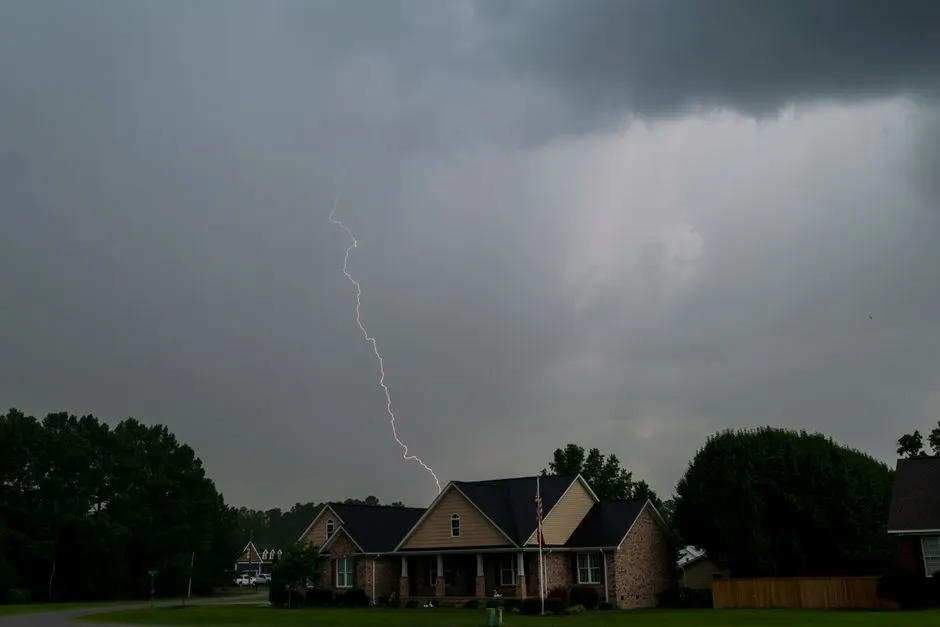
Storm season prep Walden Park Jonesboro is the work you do in the dry weeks before the first line of thunderstorms rolls up I-75 - clearing gutters, checking roof flashing, testing sump pumps, and staging an emergency kit - so that when a 60 mph downdraft hits, water has somewhere to go besides your ceiling. In Jonesboro, the highest-risk window runs from March through May and again from late August through October, with isolated severe cells possible any month. This guide walks through what we check on Walden Park homes, what it costs to fix the small stuff before it becomes a claim, and when to stop DIY-ing and call us.
When storm season hits Jonesboro, and why Walden Park homes take the brunt
Jonesboro sits in a pocket of Clayton County that catches both Gulf moisture and the tail end of systems pushing down from the Appalachians, which is why the National Weather Service issues more severe thunderstorm warnings here than the state average. The two peaks are spring (March-May) and fall (late August-October). Winter brings its own problem: freezing rain and ice that back up behind debris left in gutters from the fall.
Walden Park specifically has a mix of two-story traditional homes built mostly between the late 1990s and mid-2000s, many with architectural shingle roofs now 15-22 years old. That age matters. A 20-year shingle in Jonesboro has already survived two or three hail events, and the granule loss shows up as dark streaks on the south-facing slope. When a 50 mph gust peels back a tab, the water goes straight into the decking and down into the attic insulation before you ever see a stain.
We also see a lot of finished basements and walk-out lower levels on the sloped lots near the back of the subdivision. Those are the homes where a clogged French drain turns a two-hour storm into a two-week drying job.
How should Walden Park homeowners prepare for storm season in Jonesboro GA?
Start with the exterior envelope - roof, gutters, downspouts, grading - then move inside to sump pumps, shut-off valves, and your emergency kit. The full sequence takes one weekend in February or early March, plus a 30-minute re-check in late August before the fall line.
- Walk the roof line from the ground with binoculars. Look for lifted or missing tabs, exposed nail heads, and dark streaks that signal granule loss.
- Clear gutters and downspouts. Pine straw and shingle grit are the two biggest culprits in Walden Park. If water sheets over the edge during a hard rain, the gutter is already failing.
- Check the grading. Soil should slope away from the foundation at roughly 6 inches over the first 10 feet. Mulch beds that have settled flush with the brick are a direct path for water.
- Test the sump pump by pouring a 5-gallon bucket of water into the pit. If it doesn't kick on within a few seconds, replace the float switch or the pump before spring.
- Trim overhanging limbs. Anything within 10 feet of the roof is a projectile in a 40 mph wind.
- Photograph everything. A dated phone photo of your roof, gutters, and basement walls is the single most useful document if you file a claim later.
If you'd rather have a trained eye on it, our team handles storm damage restoration Jonesboro GA calls year-round and can walk your property before the season turns.
Roof and gutter storm prep Jonesboro Georgia homeowners can do this weekend
Roof and gutter storm prep Jonesboro Georgia is where most water damage claims actually start - not at the window, not at the foundation, but at the point where a shingle tab lifts and lets water behind the underlayment.
What to check on the roof
From the ground, look for three things: missing tabs, exposed fasteners, and flashing that has pulled away from the chimney or vent stack. Pipe boot seals dry out and crack after about 12 years in Georgia sun - a $15 part that fails causes a $2,000 ceiling repair if it goes unnoticed. If you see daylight through the attic decking, that's a same-week fix, not a next-month fix.
Gutters and downspouts
A standard 5-inch K-style gutter handles about 1,200 square feet of roof in a typical Georgia downpour. If your roof is larger or your downspouts empty within 3 feet of the foundation, you're already over capacity. Extend every downspout at least 6 feet from the wall and point it toward a splash block or a pop-up drain. This one change prevents more basement seepage than any other DIY fix we recommend.
When a roof leak does get through, the damage rarely stops at the shingle. Water travels along rafters, saturates insulation, and shows up as a brown ring on the ceiling 10 feet from the actual breach. That's why we treat every roof leak water damage repair Jonesboro GA job as a two-part problem: stop the water, then dry the structure.
What should be in a storm prep kit in Jonesboro Georgia?
A storm prep kit in Jonesboro Georgia should cover 72 hours of self-sufficiency for your household plus the specific tools you'll need to stop water from spreading inside the house. Most store-bought kits miss the second part.
- Water and food: 1 gallon per person per day for 3 days, plus a manual can opener.
- Light and power: LED flashlights, extra AA and D batteries, a battery bank sized for at least two phone charges.
- Weather radio: battery-powered, tuned to the Atlanta NOAA station.
- Water-control tools: a 4-mil plastic tarp, a roll of blue painter's tape, a wet/dry shop vac, and 6-8 old towels you don't mind throwing away.
- Documents: copies of insurance policy, mortgage, and a photo inventory of your home in a sealed zip bag.
- Medications and pet supplies: 3 days minimum.
Keep the water-control tools in a labeled bin in the garage, not the attic. If a storm drops a limb through your ceiling at 2 a.m., you want the tarp and shop vac within arm's reach, not behind the Christmas decorations.
How do I prevent storm damage to my Jonesboro home?
You prevent storm damage to your Jonesboro home by removing the paths water takes once it's already on your property - grading, drainage, sump capacity, and the seals around every penetration. Most of the work is unglamorous and cheap.
Three fixes pay for themselves the first time a real storm hits:
- Regrade the mulch beds. Add 2-3 inches of clay-heavy topsoil and slope it away from the foundation. Cost: $150-$400 in materials for a typical Walden Park front bed.
- Install a backwater valve on the basement floor drain if you have one. A 2026 install runs $800-$1,500 and stops the sewer from backing up into your finished space during a surcharge event.
- Replace the sump pump every 7-10 years whether it's failed or not. A 1/3-horsepower cast-iron pump runs $180-$350 installed, and a battery backup adds $300-$500.
If water does get in - through a failed sump, a backed-up drain, or a window well - the clock starts immediately. Mold can begin colonizing wet drywall in 24-48 hours in a Jonesboro summer, which is why we push water extraction Jonesboro GA as a same-day service, not a next-week appointment.
Common mistakes we see on Walden Park storm prep calls
The same handful of mistakes show up on almost every Walden Park storm prep call we run, and each one turns a $300 fix into a $3,000 insurance claim.
- Waiting until the warning is issued. By the time a severe thunderstorm warning hits your phone, you have 20-40 minutes. That's not enough time to clear a gutter or move furniture off a basement floor.
- Assuming the roof is fine because it's not leaking. A 20-year shingle can be 80% compromised and still hold water in dry weather. It fails on the first 50 mph gust.
- Pointing downspouts at the neighbor's yard. It feels like a solution. It just moves the problem and creates a liability conversation.
- Skipping the sump pump test. A float switch that sticks in the up position is invisible until the pit fills. Test it with a bucket twice a year.
- Letting a small ceiling stain sit. A brown ring the size of a dinner plate usually means 4-6 square feet of wet insulation and decking above it.
We also see homeowners in the older parts of the county dealing with the same issues on a different housing stock. If you're in one of the pre-1980 homes near the courthouse square, our Water Damage Restoration in Jonesboro Historic District page covers the specific problems that come with original galvanized plumbing and pier-and-beam foundations.
When to call a professional
Call us when water has already crossed the threshold - through a ceiling, a basement wall, a window well, or a backed-up floor drain - or when you can't safely get on the roof to make a temporary repair before the next line of storms.
The signs that mean stop and call:
- Any ceiling stain larger than a saucer, or one that grows after rain.
- Standing water in a basement or crawlspace more than 1 inch deep.
- A musty smell within 48 hours of a storm, which usually means mold is already starting.
- A sump pump that runs continuously during dry weather.
- Any water that came up through a floor drain or toilet - that's a sewage issue, not a clean-water issue, and it needs different handling.
Jonesboro Restoration Squad handles storm prep inspections, emergency water removal, and full structural drying across Walden Park and the surrounding Jonesboro neighborhoods. We give you a written scope and a flat price before we start, and we don't sub the work out.
Frequently Asked Questions
How should Walden Park homeowners prepare for storm season in Jonesboro GA?
Clear gutters, check roof flashing and pipe boots, regrade mulch beds away from the foundation, test the sump pump, and stage a 72-hour emergency kit. Do the full pass in February or early March, then a 30-minute re-check in late August before the fall storm line.
What should be in a storm prep kit in Jonesboro Georgia?
Three days of water and food, flashlights and batteries, a NOAA weather radio, medications, and copies of your insurance documents. Add water-control tools: a 4-mil tarp, blue tape, a wet/dry shop vac, and old towels. Keep the water tools in the garage, not the attic.
How do I prevent storm damage to my Jonesboro home?
Remove the paths water takes. Slope soil 6 inches away from the foundation over 10 feet, extend downspouts 6 feet from the wall, install a backwater valve on basement floor drains, and replace sump pumps every 7-10 years. Those four fixes prevent most of the claims we see.
Who helps with storm damage prep in Walden Park Jonesboro GA?
Jonesboro Restoration Squad does pre-season inspections, roof and gutter assessments, and emergency water removal across Walden Park and the rest of Jonesboro. We give you a written scope and flat price before any work starts, and we handle both the water removal and the drying in-house.
When is storm season in Jonesboro GA?
Two peaks: March through May, and late August through October. Isolated severe thunderstorms are possible any month, and winter ice events in January and February cause their own roof and gutter damage. Prep in February and re-check in August.
Get help with Water Damage Restoration in Jonesboro
If storm season is close and your roof, gutters, or drainage haven't been checked since last year, call us before the next line of storms. We'll walk the property, tell you what actually needs fixing, and give you a flat price on the spot.
Call Jonesboro Restoration Squad at 012300000 for storm prep, emergency water removal, and full Water Damage Restoration Jonesboro GA across Walden Park and the rest of Jonesboro.